


Work is evaluated based on three main criteria: aesthetics, functionality, and quality.
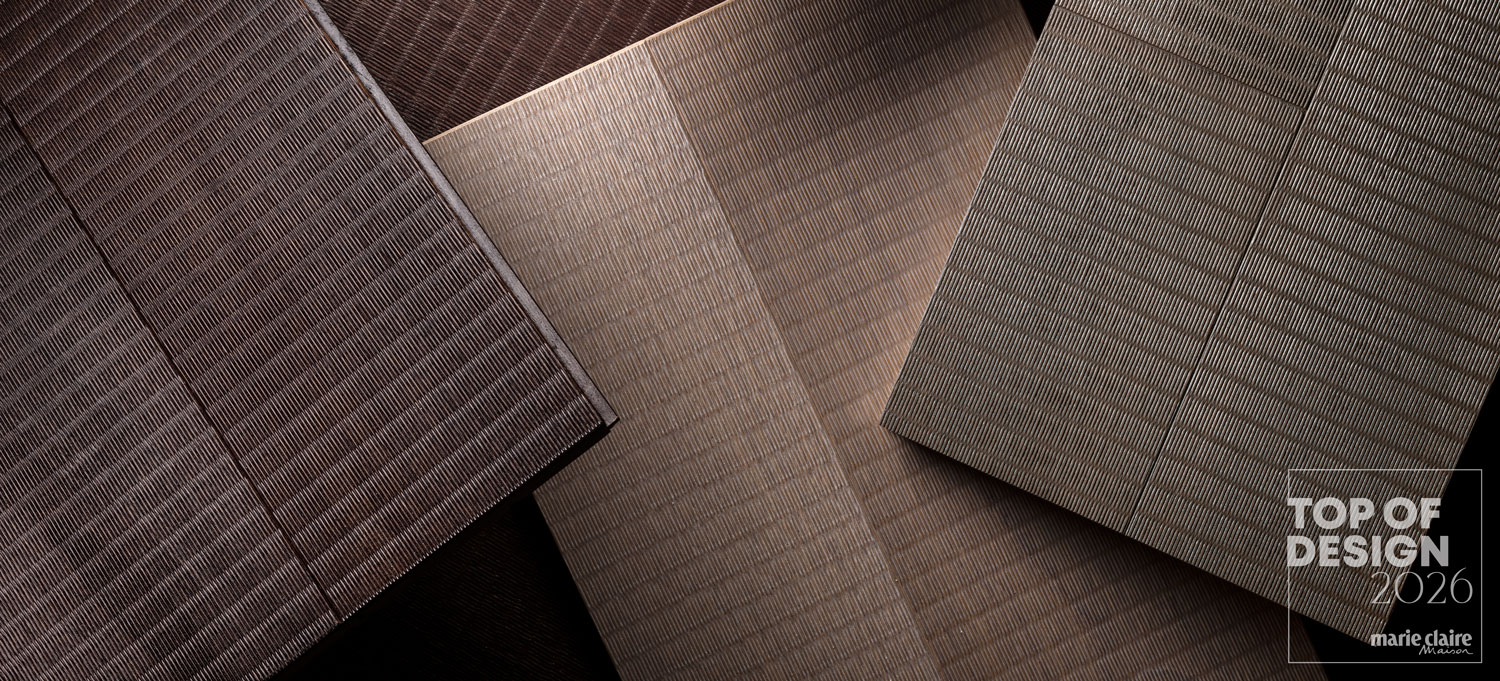
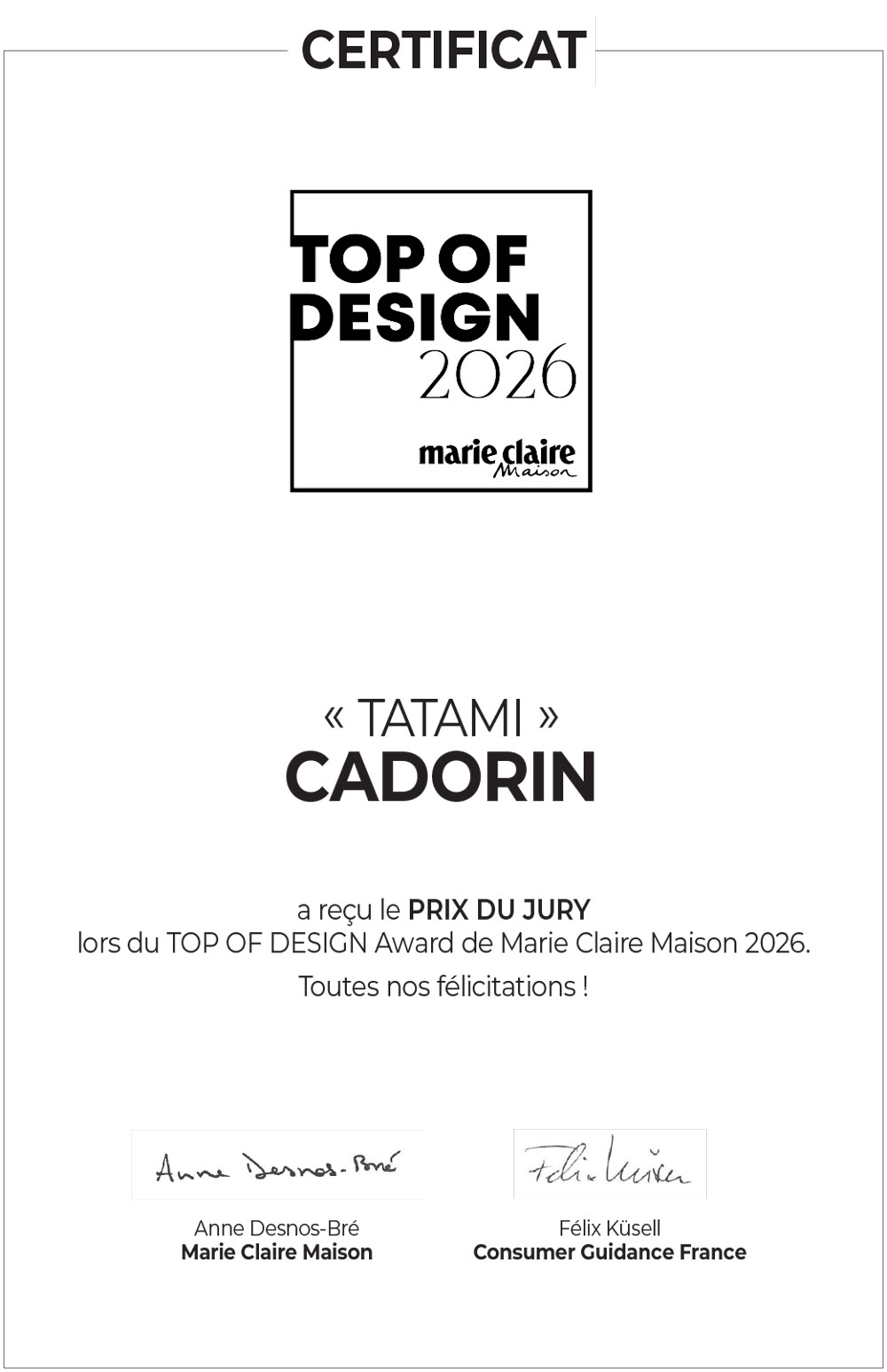
The Tatami texture has recently received the TOP OF DESIGN 2026 award by Marie Claire Maison, a recognition celebrating creations that stand out for formal excellence, craftsmanship quality, and innovative capability.
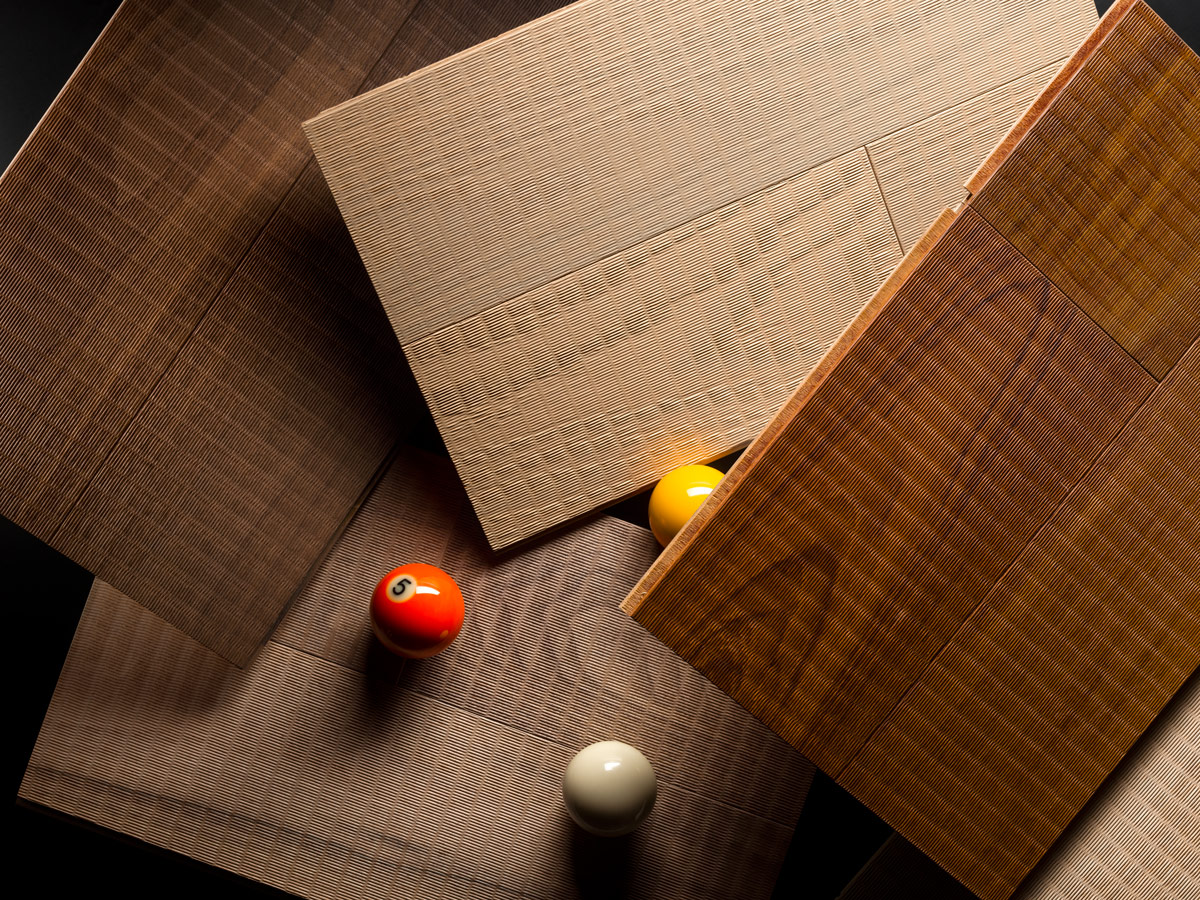
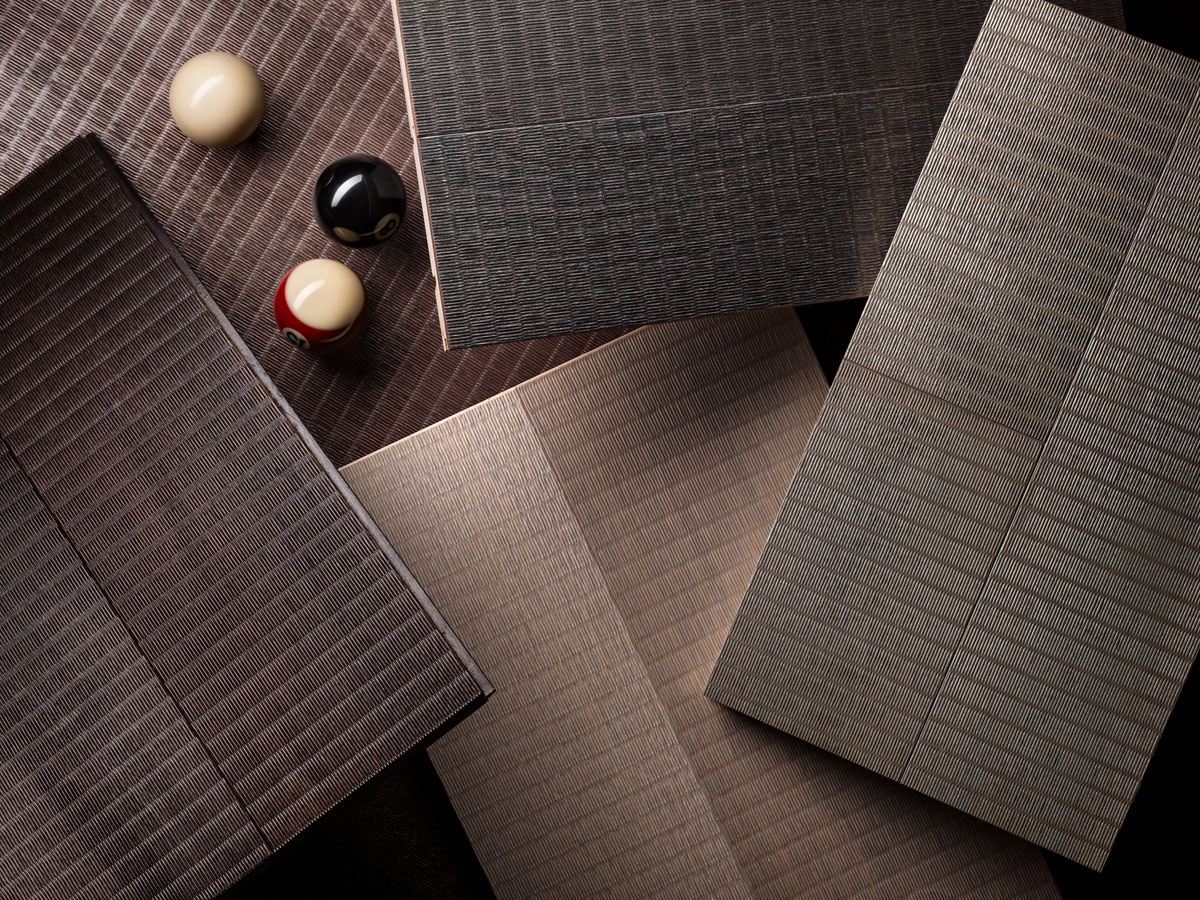
The creative flair and constant innovative research of Cadorin, led by Art Director Rita Cadorin, were inspired by the traditional Japanese rice straw tatami mat. The Tatami surface impressed into wood arises from the reinterpretation of an archetypal pattern through the language of wood.
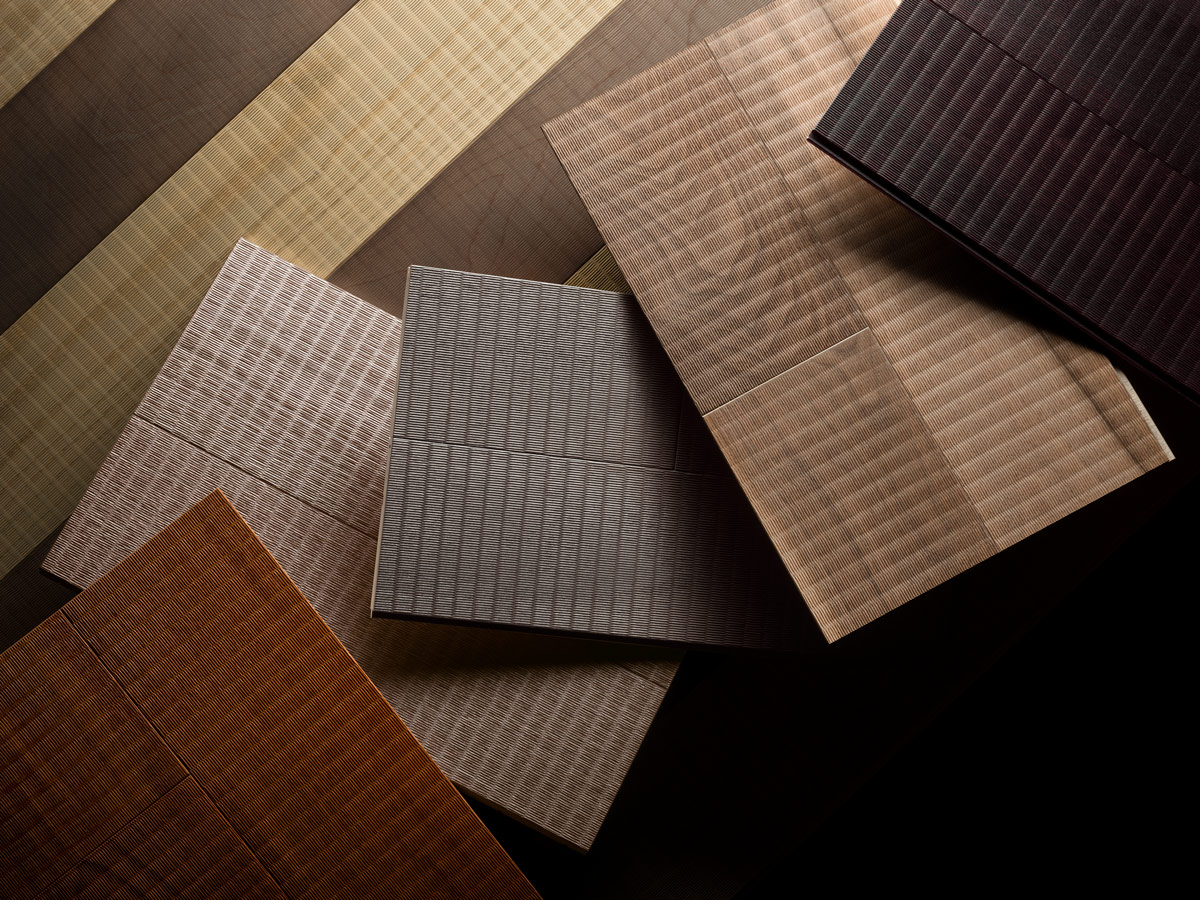
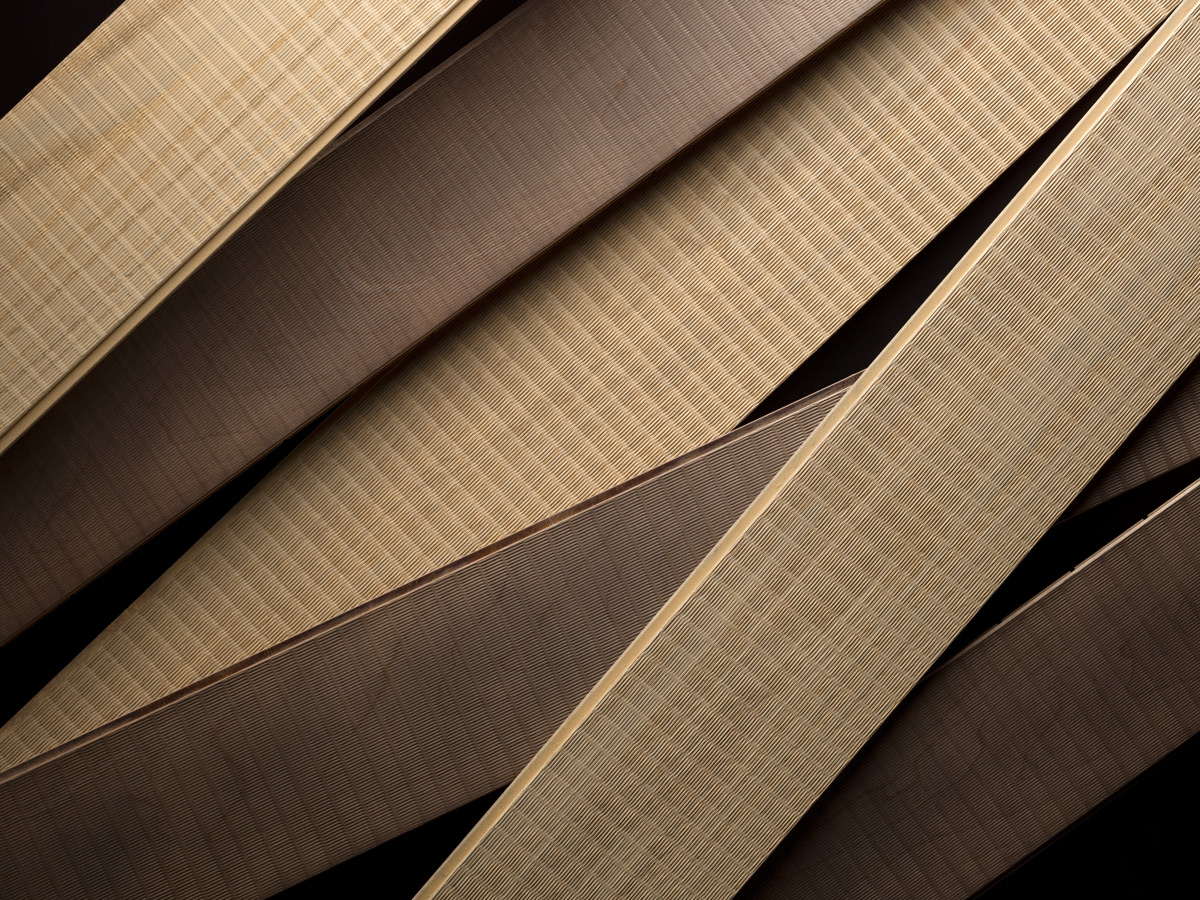
The design is translated into a high-precision three-dimensional engraving, generating a material texture with a refined and well-balanced rhythm. Registered European Design model.
The Tatami texture reproduced on wooden surfaces creates surprising tactile dimensions, giving the wood a soft and welcoming feel to the touch. Designed to offer comfort, design, and sensory quality, it enriches spatial experience and establishes a more intimate relationship between material and user.
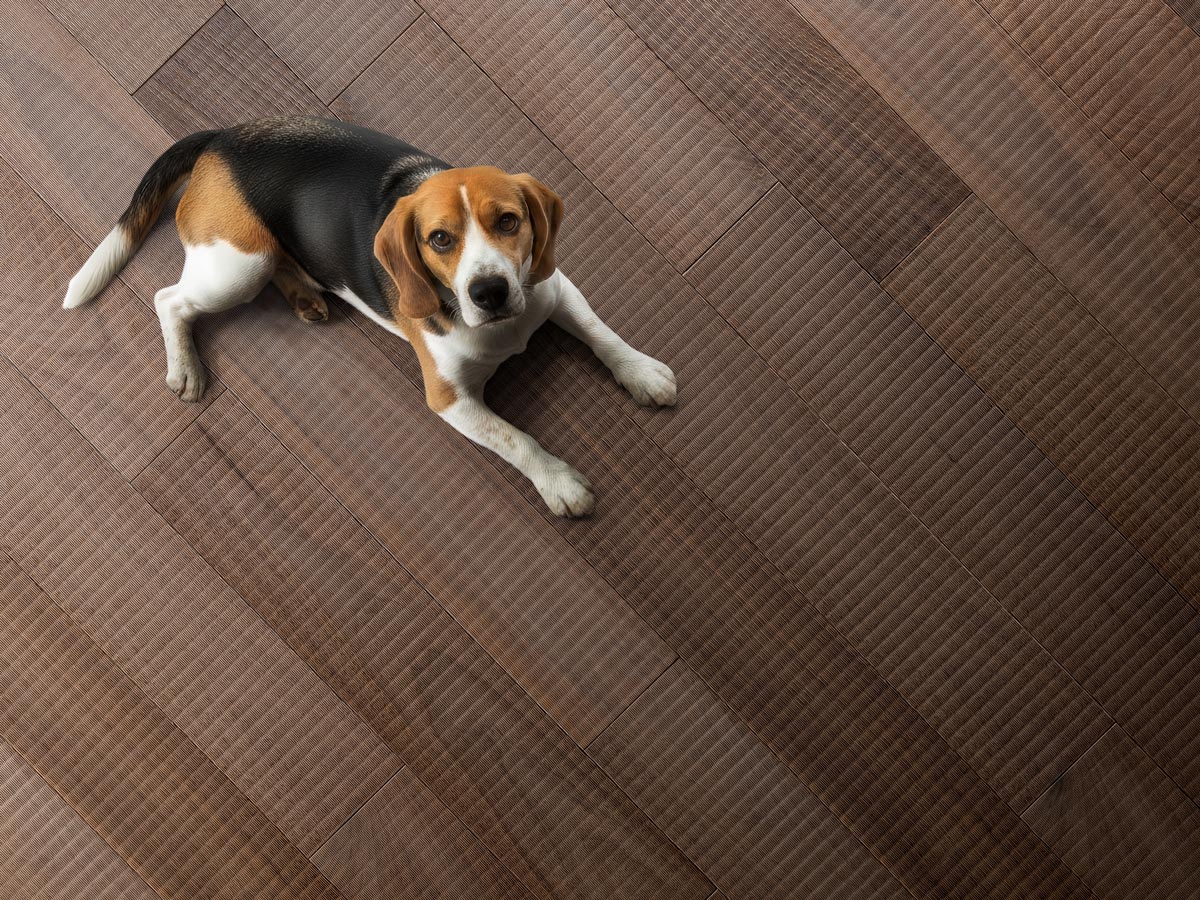
Beyond its aesthetic value, the Tatami texture gives wood increased surface hardness (up to over 70% more in softer woods). The micro three-dimensional surface reduces sound wave rebound, contributing to acoustic comfort, while the diffused relief ensures excellent anti-slip grip and greater walking stability, also providing safety for pets.
Tatami is produced in a selection of fine woods – Walnut, Teak, Oak, Maple, Elm, Chestnut, Cherry, and Wengé – chosen to enhance chromatic variety and visual depth in interior design projects.
Completing the aesthetic are Cadorin finishes, designed to enhance and restore the tactile connection with the material: sophisticated tones highlight natural colors and reflections, amplifying the texture’s three-dimensionality.
The result is true wellbeing: a proposal that combines creativity, design, craftsmanship expertise, technological research, comfort, and design culture, offering the interior world a surface capable of defining spaces with strong character and enhancing wood as an architectural element with a distinctive identity.

'%3e%3cg id='Final-Copy-2_2_' transform='translate(1275.000000, 200.000000)'%3e%3cpath class='st0' d='M7.4,12.8h6.8l3.1-11.6H7.4C4.2,1.2,1.6,3.8,1.6,7S4.2,12.8,7.4,12.8z'/%3e%3c/g%3e%3c/g%3e%3c/g%3e%3cg id='final---dec.11-2020'%3e%3cg id='_x30_208-our-toggle' transform='translate(-1275.000000, -200.000000)'%3e%3cg id='Final-Copy-2' transform='translate(1275.000000, 200.000000)'%3e%3cpath class='st1' d='M22.6,0H7.4c-3.9,0-7,3.1-7,7s3.1,7,7,7h15.2c3.9,0,7-3.1,7-7S26.4,0,22.6,0z M1.6,7c0-3.2,2.6-5.8,5.8-5.8 h9.9l-3.1,11.6H7.4C4.2,12.8,1.6,10.2,1.6,7z'/%3e%3cpath id='x' class='st2' d='M24.6,4c0.2,0.2,0.2,0.6,0,0.8l0,0L22.5,7l2.2,2.2c0.2,0.2,0.2,0.6,0,0.8c-0.2,0.2-0.6,0.2-0.8,0 l0,0l-2.2-2.2L19.5,10c-0.2,0.2-0.6,0.2-0.8,0c-0.2-0.2-0.2-0.6,0-0.8l0,0L20.8,7l-2.2-2.2c-0.2-0.2-0.2-0.6,0-0.8 c0.2-0.2,0.6-0.2,0.8,0l0,0l2.2,2.2L23.8,4C24,3.8,24.4,3.8,24.6,4z'/%3e%3cpath id='y' class='st3' d='M12.7,4.1c0.2,0.2,0.3,0.6,0.1,0.8l0,0L8.6,9.8C8.5,9.9,8.4,10,8.3,10c-0.2,0.1-0.5,0.1-0.7-0.1l0,0 L5.4,7.7c-0.2-0.2-0.2-0.6,0-0.8c0.2-0.2,0.6-0.2,0.8,0l0,0L8,8.6l3.8-4.5C12,3.9,12.4,3.9,12.7,4.1z'/%3e%3c/g%3e%3c/g%3e%3c/g%3e%3c/g%3e%3c/svg%3e) Le tue preferenze relative alla privacy
Le tue preferenze relative alla privacy
